
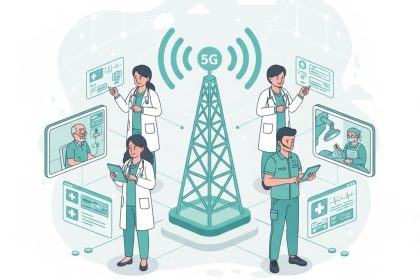
Telemedicine is transforming the landscape of healthcare by enabling remote medical consultations and diagnostics, allowing patients to receive care from the comfort of their homes. This innovation is...
Telemedicine is transforming the landscape of healthcare by enabling remote medical consultations and diagnostics, allowing patients to receive care from the comfort of their homes. This innovation is...
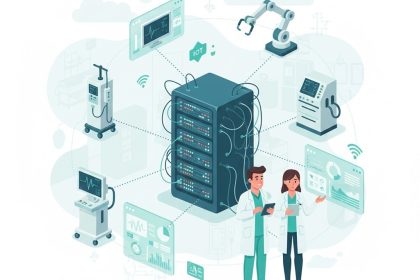
The Internet of Things (IoT) refers to the network of connected devices that communicate and exchange data over the internet. Its influence spans various sectors, such as agriculture, transportation, ...
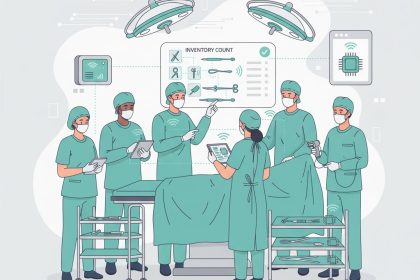
Radio Frequency Identification (RFID) technology uses electromagnetic fields to automatically identify and track tags attached to objects. This innovative system consists of three main components: a t...
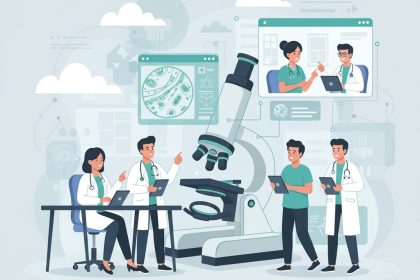
Telepathology is an innovative field that leverages technology to facilitate the remote diagnosis of diseases through digital pathology techniques. It enables pathologists to examine tissue samples an...
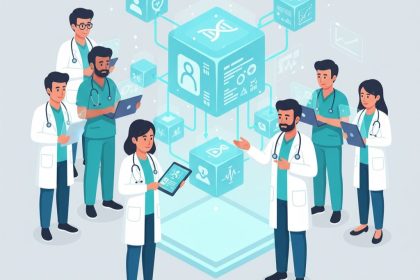
Blockchain is a revolutionary technology that allows for secure, transparent, and tamper-proof record-keeping. At its core, it operates as a decentralized digital ledger, where each transaction or pie...
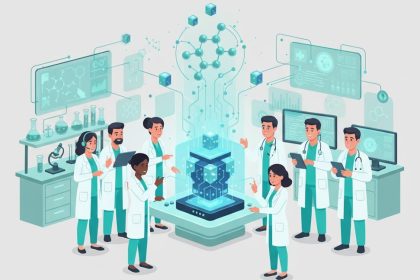
The drug discovery process is a complex journey, taking anywhere from 10 to 15 years and costing billions of dollars. It typically involves several stages, including target identification, compound sc...
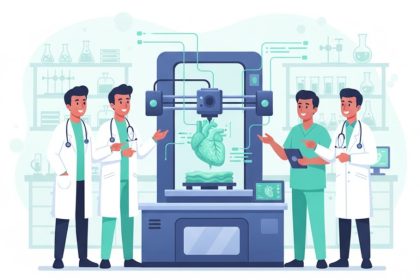
3D bioprinting is an innovative technology that uses specialized printers to create three-dimensional structures, like living tissues, by layering cells and biomaterials. This technique is particularl...
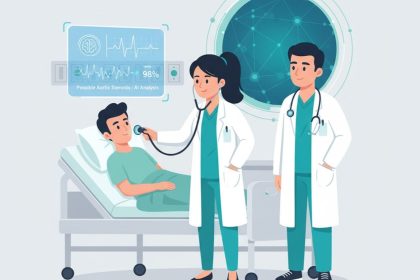
The traditional stethoscope has long been a fundamental tool in clinical diagnosis, enabling healthcare professionals to listen to the internal sounds of a patient’s body, particularly heart and...
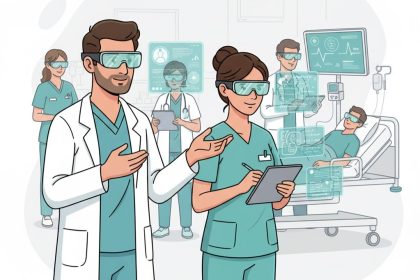
Smart glasses are innovative wearable devices that integrate augmented reality (AR) technology to enhance user experiences through hands-free interaction. As healthcare continues to evolve, the releva...
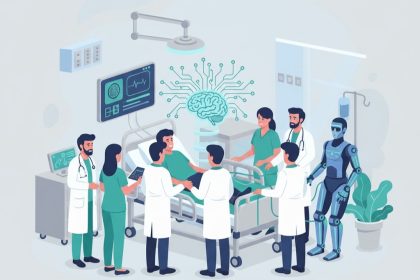
Stroke is a leading cause of long-term disability, affecting millions worldwide each year. The World Health Organization reports that approximately 15 million people suffer from strokes annually, lead...