
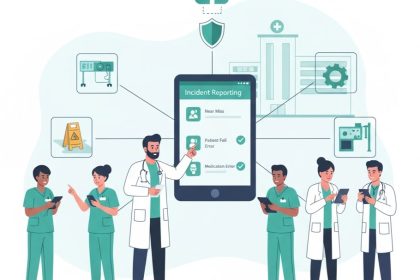
In hospital environments, incident reporting is crucial for ensuring patient safety and improving overall healthcare quality. These reports document any adverse events, near misses, or harmful inciden...
In hospital environments, incident reporting is crucial for ensuring patient safety and improving overall healthcare quality. These reports document any adverse events, near misses, or harmful inciden...
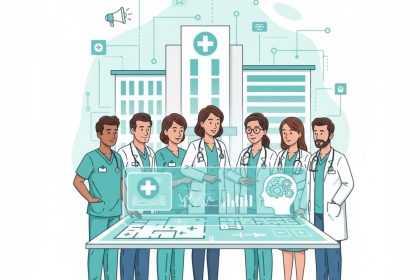
Crisis management in healthcare settings is crucial for maintaining patient safety and ensuring effective responses to emergencies. Hospitals frequently encounter various crises, from natural disaster...
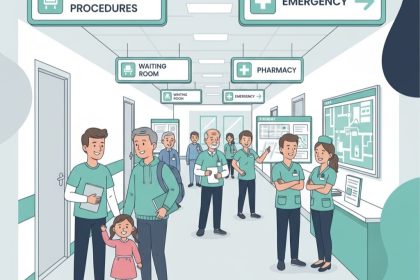
In clinics and hospitals, effective signage plays a pivotal role in ensuring the safety and well-being of both patients and staff. Clear signs help navigate complex environments, reducing confusion du...
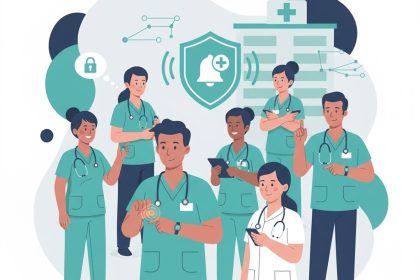
Staff safety in hospitals is a critical concern, given the demanding and unpredictable nature of healthcare environments. Healthcare workers often face risks such as violence from patients or visitors...

In recent years, the hospital workforce has grappled with significant challenges that threaten its stability worldwide. Factors such as aging populations, increasing patient demands, and workforce sho...
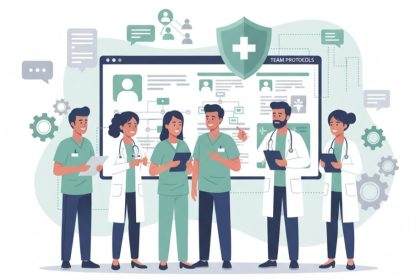
In the complex environment of hospitals, the importance of a strong safety culture cannot be overstated. Safety culture refers to the shared values and attitudes that prioritize patient safety among h...
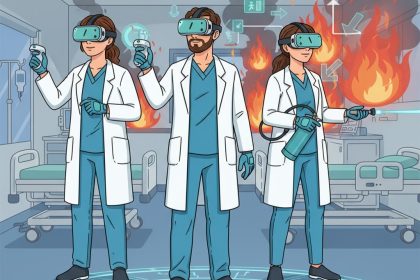
Fire safety training in healthcare settings is critical. Hospitals and clinics must ensure the safety of patients, staff, and equipment in case of a fire emergency. Traditional training methods often ...
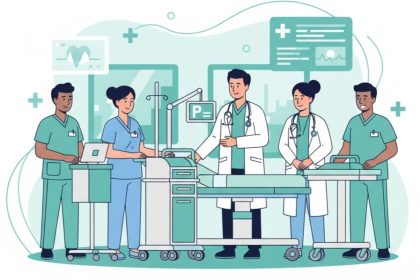
Ergonomics is the science of designing tools and workspaces to fit the people who use them, aiming to enhance comfort and efficiency. In healthcare, where staff frequently perform physically demanding...
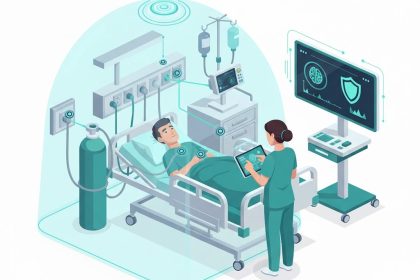
In hospital settings, oxygen safety is paramount for patient care. Hospitals often rely on various oxygen systems to support patients with respiratory issues or those undergoing surgeries. However, im...
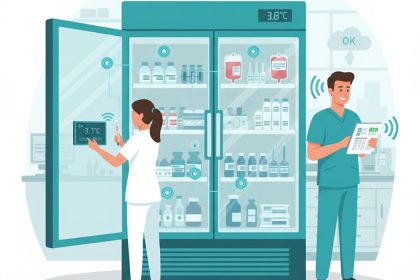
Maintaining optimal refrigerator temperatures in hospitals is crucial for safeguarding medical supplies and vaccines, which are sensitive to temperature fluctuations. Vaccines, for example, require sp...