
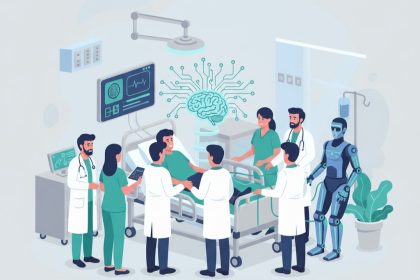
Stroke is a leading cause of long-term disability, affecting millions worldwide each year. The World Health Organization reports that approximately 15 million people suffer from strokes annually, lead...
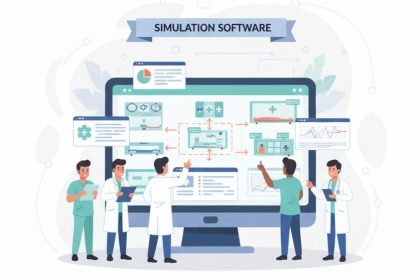
Operational efficiency is vital in hospitals, directly correlating with patient care quality and overall health outcomes. Hospitals consistently face pressures to improve patient satisfaction, reduce ...
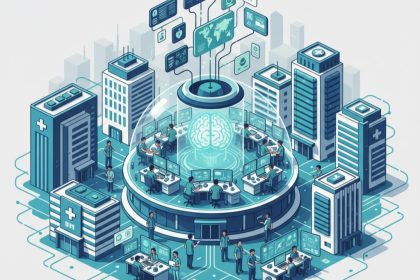
Centralized command centers in hospitals represent a transformative approach to healthcare management, acting as the “brain” of modern medical facilities. These high-tech hubs integrate va...
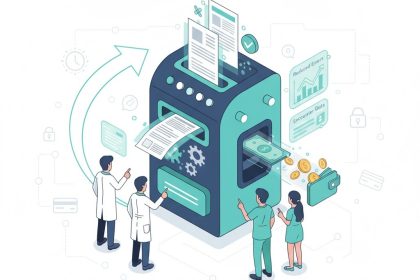
In hospitals, billing processes are critical to both patient satisfaction and the financial health of the institution. These processes involve the detailed tracking of medical services, insurance clai...

In today’s healthcare landscape, regulatory standards have become increasingly complex and multifaceted. Hospitals must navigate a maze of rules set by organizations like the Centers for Medicar...
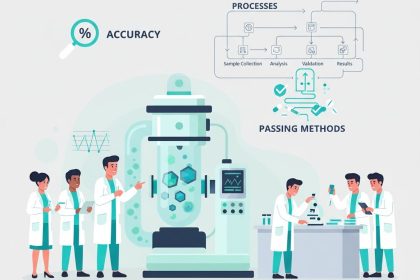
Laboratory drug testing plays a critical role in safeguarding various sectors such as employment, legal, and healthcare by ensuring safety, compliance, and informed decision-making. In workplaces, it ...

Passing a urine drug test can be a significant concern, especially for those under strict company drug policies or anticipating pre-employment or Department of Transportation tests. These tests are co...

In the evolving landscape of healthcare, smart supply chains are revolutionizing how hospitals manage resources. These systems harness technology to streamline processes, enhance patient care, and red...

Continuous improvement is crucial in healthcare settings, where the quality of care directly impacts patient outcomes and satisfaction. With growing demands for efficiency and high standards, hospital...
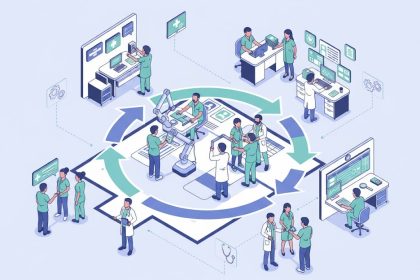
Cross-training in healthcare involves training staff to perform multiple roles across different departments, enhancing operational flexibility and responsiveness in hospitals. In an era where patient ...