

Synthetic urine, also known as fake urine, is a lab-created liquid designed to mimic the physical and chemical properties of real human urine. Originally developed for scientific research and product testing, such as evaluating diapers, cleaning agents, and medical devices, it has also become a tool for individuals attempting to cheat drug tests. High-quality synthetic urine, such as Urine Simulation with Powdered Urine Kit, contains components like urea, creatinine, uric acid, and salts, which help it closely resemble natural urine in terms of pH, specific gravity, and appearance. However, the effectiveness of synthetic urine in passing drug tests depends heavily on its quality.
Modern drug testing labs use advanced techniques such as Specimen Validity Testing (SVT) and Gas Chromatography-Mass Spectrometry (GC-MS) to detect fake samples. These methods analyze factors like temperature, pH balance, and chemical composition to identify discrepancies. As labs continue to improve their detection methods, the importance of using high-quality synthetic urine has grown significantly for those relying on it to avoid detection during drug screenings.
Understanding Synthetic Urine
What is Synthetic Urine?
Synthetic urine, also known as fake or artificial urine, is a laboratory-created substance designed to mimic the chemical and physical properties of real human urine. It was initially developed for legitimate purposes like testing cleaning products, diapers, and medical devices. However, it has gained popularity as a way for individuals to cheat drug tests by substituting it for their own urine.
Components and Composition of Synthetic Urine
Synthetic urine is carefully formulated to replicate the characteristics of real urine. Its key components include:
- Water: The main solvent.
- Urea and Uric Acid: Organic compounds found in natural urine.
- Creatinine: A waste product crucial for passing authenticity tests.
- Yellow Coloring: To match the appearance of real urine.
- pH Balance: Adjusted to fall within the typical range of 4.5 to 8.
- Specific Gravity: Ensures the density matches that of human urine.
The Powdered Urine Kit carefully replicates these components to create a synthetic sample that closely mimics natural urine for testing purposes.
Legal Implications and Reasons for Its Use
While synthetic urine has legitimate uses in research and product testing, its misuse has led to legal consequences:
- Legitimate Uses:
- Calibration of lab equipment.
- Educational purposes in medical training.
- Research on urine-based treatments or technologies.
- Misuse:
- Cheating on drug tests for employment or legal purposes.
- This has led to bans in at least 18 U.S. states and penalties ranging from fines to jail time for using synthetic urine deceptively.
Lab Testing Procedures
Overview of How Labs Test Urine Samples
When testing urine samples, labs use a combination of methods to analyze their physical, chemical, and biological properties. These include:
- Visual Examination: The color, clarity, and odor of the sample are inspected to ensure it matches the appearance of real urine. Products like Urine Simulation with Powdered Urine Kit are designed to closely replicate these characteristics to pass such scrutiny.
- Dipstick Tests: Chemical strips are used to detect substances like protein, glucose, or pH levels.
- Microscopic Examination: Labs look for cells, crystals, or bacteria that are naturally present in human urine but absent in synthetic versions.
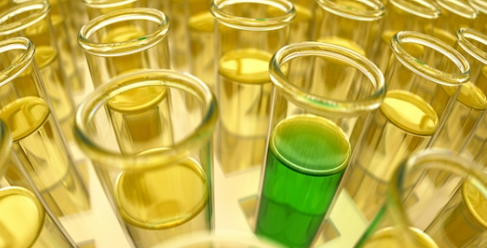
Specimen Validity Testing and Its Role in Detecting Synthetic Urine
Specimen Validity Testing (SVT) is a critical process for detecting synthetic urine. It checks for specific markers that must be present in authentic human urine. Key components analyzed include:
- Specific Gravity: This measures the density of the urine. Real urine typically falls within a range of 1.005–1.030.
- Temperature: Fresh urine should be between 90°F and 100°F. Deviations suggest tampering. This is why many synthetic urine products, including Powdered Urine Kit, come with heating elements or powders designed to help maintain the proper temperature.
- pH Levels: Healthy urine has a pH between 4.5 and 8.0. Abnormal values can indicate synthetic urine.
- Creatinine Levels: Creatinine is a byproduct of muscle metabolism found in real urine. Low levels may indicate fake urine.
- Uric Acid: Many synthetic urine products lack uric acid, making this a reliable marker for authenticity.
Techniques Used by Labs to Detect Synthetic Urine. Can Labs Detect Synthetic urine in 2024-2025?
Labs use advanced techniques to identify synthetic urine, making it increasingly difficult for fake samples to pass unnoticed:
|
Technique |
Description |
|
Gas-chromatography-mass-spectrometry (GC-MS) |
Separates and identifies chemicals based on their molecular structure |
| Infrared spectroscopy |
Analyzes molecular bonds to detect differences between real and fake urine |
|
Adulterant testing |
Detects foreign substances like bleach or soap added to mask drug metabolites |
| Visual inspection |
Examines the color, clarity, and odor of urine for signs of tampering |
These methods provide high accuracy in distinguishing synthetic from genuine samples. In this context, the answer to the question “will a lab detect synthetic urine” is probably yes, especially if you decide to use cheaper synthetic urine of lower quality. This is why some users prefer more advanced solutions like Urine Simulation with Powdered Urine Kit, which can offer a more authentic composition and temperature control to reduce the chance of detection.
Does Synthetic Urine Work in Labs?
While synthetic urine is designed to mimic real human urine closely, modern labs have developed sophisticated methods to detect it. Techniques like SVT and GC-MS make it challenging for even high-quality synthetic products to go undetected. As labs continue improving their technology, using fake urine becomes increasingly risky.
Can Drug Test Labs Detect Fake Urine?
Current Advancements in Lab Testing (2024-2025)
As of 2024-2025, labs have made significant progress in detecting synthetic urine. Advanced methods such as Gas Chromatography-Mass Spectrometry (GC-MS) and Specimen Validity Testing for synthetic urine detection are now widely used. These techniques analyze various factors, including:
- Temperature: Authentic urine is typically between 90°F and 100°F.
- pH Levels: Normal urine has a pH between 4.5 and 8.0.
- Specific Gravity: The density of real urine falls within a specific range.
- Chemical Composition: Labs check for substances like creatinine and uric acid, which are often absent or insufficient in synthetic urine. In response, products like Urine Simulation with Powdered Urine Kit have been developed to more accurately mimic real human urine, containing the necessary markers to pass advanced validity checks.
Additionally, artificial intelligence and machine learning are being integrated into testing processes to detect unique markers that distinguish synthetic urine from natural samples.
Challenges Faced by Labs in Detecting Synthetic Urine
Despite recent advancements, labs encounter several challenges when trying to detect fake pee:
- High-quality synthetic urine closely mimics the properties of real urine, making detection difficult.
- Some synthetic products include proteins and compounds found in natural urine, further complicating identification.
- Manufacturers continuously improve synthetic formulas to evade detection.
Recent Breakthroughs and Technologies Aiding Detection. Can Synthetic Urine Be Detected in a Lab Test?
Recent breakthroughs have enhanced the ability of labs to detect fake urine:
|
Technology |
Purpose |
| New biomarkers |
Detects unique additives and stabilizers in synthetic urine. However, premium products such as the Powdered Urine Kit are specifically formulated to stay ahead of these advancements by closely replicating the composition and appearance of real urine, offering users a reliable and discreet option. |
| GC-MS |
Identifies the chemical composition of urine with high accuracy |
|
Artificial intelligence (AI) |
Detects tampering based on advanced data analysis |
These multimodal approaches ensure higher sensitivity and accuracy in distinguishing synthetic from real urine, even for advanced synthetic products. In conclusion, while synthetic urine detection remains a challenge, continuous advancements in technology are making it increasingly difficult for fake samples to pass undetected.
Can a 5 Panel Drug Test Detect Fake Urine?
Can a lab test for fake urine? Yes, a 5-panel drug test can detect synthetic urine, but the process is not foolproof. Laboratories use several methods to identify fake urine samples, including testing temperature, chemical composition, and visual inspection. Among these, temperature testing is one of the most common ways labs detect synthetic urine.
Why Temperature Matters
Real human urine exits the body at a temperature between 90°F and 100°F (32°C and 38°C). Labs check this range immediately after sample collection using temperature strips or digital thermometers. If the sample falls outside this range, it raises suspicion of tampering or substitution. Synthetic urine often fails this test because maintaining the correct temperature during submission is challenging. Many people use heating pads or body heat to warm fake urine, but these methods often lead to inconsistencies, making the sample too cold or overheated. One reliable approach to address this issue is Urine Simulation with Powdered Urine Kit, which includes tools to help stabilize temperature and deliver a more convincing sample.
Other Detection Methods
In addition to temperature checks, labs analyze the sample’s chemical properties, such as pH levels, specific gravity, creatinine levels, and uric acid content. These factors help determine whether the urine matches natural human composition. Advanced tests like Adulteracheck strips can also identify synthetic samples by detecting specific markers used in fake urine products.
Common Challenges for Fake Urine Users
- Temperature Issues: The most frequent problem is failing to match the expected temperature range.
- Improper Composition: Low-quality synthetic urine may lack key elements like uric acid or creatinine.
- Lab Expertise: Skilled technicians and advanced equipment make it harder to pass off fake samples.
Quick Fix Synthetic Urine Review
What is Quick Fix Synthetic Urine?
Quick Fix Synthetic Urine is a laboratory-created solution designed to mimic human urine. Manufactured by Spectrum Labs, it replicates the chemical composition, pH balance, specific gravity, and appearance of real urine. It is premixed and unisex, making it suitable for both men and women. This product is widely used to pass unsupervised urine drug tests or for scientific purposes like calibrating lab equipment.
Why It’s the Best Solution for a Sudden Urine Drug Test
Quick Fix is considered one of the best fake urine for a lab test because:
- Unlike the Powdered Urine Kit, it comes pre-mixed, eliminating the need for complicated preparation.
- It includes all essential components such as urea, uric acid, creatinine, and balanced pH levels, making it indistinguishable from real urine during basic lab tests.
- It includes a heating pad and temperature strip to ensure the sample stays within the required range of 94°F–100°F.
Can Quick Fix Beat Urinalysis?
For most unsupervised pre-employment drug tests, Quick Fix has a high success rate. However, it may not be suitable for advanced or supervised testing scenarios. Its effectiveness depends on proper usage and maintaining the correct temperature.
Ingredients
Quick Fix Synthetic Urine contains:
- Urea and uric acid
- Creatinine
- Balanced pH and specific gravity
- Coloring agents for realistic appearance
These components closely mimic those found in real urine, making it effective for various uses. Similarly, Urine Simulation with Powdered Urine Kit offers a reliable alternative, especially for those seeking a product that starts in powdered form and can be reconstituted to simulate fresh human urine accurately.
Shipping, Prices, and Money-Back Guarantee
- Pricing: Quick Fix 6.4 Plus (3 oz) costs around $49.95. Discounts may apply for bulk orders or promotions.
- Shipping: Discreet packaging ensures privacy. Orders placed before 4:30 PM EST are shipped the same day with overnight delivery options.
- Guarantee: Spectrum Labs offers a 100% money-back guarantee if the product fails (with proof of test results).
Why Choose Quick Fix?
|
Features |
Benefits |
| Pre-mixed formula |
Ready to use without mixing |
|
Heating pad and temperature strip |
Ensures the correct temperature for testing |
| Unisex |
Suitable for all genders |
|
Money-back guarantee |
Risk-free purchase |
| Realistic composition |
Mimics real urine for basic drug tests |
Testclear Powdered Human Urine Review
What is Testclear Powdered Human Urine?
Testclear Powdered Human Urine is a synthetic urine product designed to closely mimic real human urine. It comes in powdered form, which is mixed with water to create a liquid that matches the appearance, chemical composition, pH balance, and specific gravity of natural urine. This makes it ideal for passing unsupervised urine drug tests, laboratory calibration, or medical training purposes.
Why It’s the Best Fake Urine for Lab Test
Testclear Powdered Human Urine stands out as one of the best synthetic urine for a lab drug test due to its realistic formulation. It contains key components found in human urine, such as urea, creatinine, potassium chloride, sodium chloride, and uric acid. These ingredients ensure it passes both visual and chemical tests conducted by laboratories. Additionally, its powdered form allows for discreet storage and quick preparation in under an hour.
Ingredients
|
Ingredient |
Purpose |
|
Urea |
Mimics natural waste products in human urine |
| Creatinine |
Essential marker tested in drug screens |
|
Uric acid |
Maintains pH balance and specific gravity |
| Potassium chloride |
Balances electrolytes |
|
Sodium chloride |
Reflects the electrical conductivity of real urine |
| Sodium phosphate |
Stabilizes pH levels |
These ingredients are carefully selected to ensure that Urine Simulation with Powdered Urine Kit provides a reliable and scientifically accurate replica of natural urine.
Shipping, Prices, and Money-Back Guarantee
Testclear offers fast and discreet shipping options. Orders over $145 qualify for free shipping within the U.S., while standard delivery options are available for lower-priced packages. The price ranges from $49.95 to $139.99 depending on the kit size and included accessories. Additionally, Testclear provides a money-back guarantee if customers are dissatisfied with the product’s performance.
Final Thoughts
Testclear Powdered Human Urine is highly effective for passing drug tests due to its realistic composition and ease of use. While it is best suited for unsupervised tests, users must follow instructions carefully to avoid detection. Its reliability makes it a top choice among synthetic urine products for lab drug tests. If you need to pass a supervised test, it’s advisable to use a special concealment device like .
Factors Influencing Detection of Synthetic Urine in Labs
Temperature and pH Levels in Synthetic Urine
Temperature and pH are critical factors when testing for synthetic urine. Human urine typically has a temperature of 90°F to 100°F within two minutes of being voided, and its pH ranges from 4.5 to 8.0. Synthetic urine must fall within these ranges to avoid detection. However, maintaining the correct temperature can be challenging, as synthetic samples often cool down too quickly or are overheated due to improper handling. Labs also test for abnormal pH levels, which can indicate the use of synthetic urine.
Shelf Life and Storage Conditions Affecting Detection
The shelf life and storage conditions of synthetic urine can significantly influence its detectability. Stabilized synthetic urine typically lasts up to 12 months when stored at 2-8°C, while non-stabilized versions may only last six months. Improper storage, such as exposure to high temperatures or freezing without proper care, can degrade the sample’s chemical composition, making it easier for labs to detect inconsistencies. This is especially important when using products like Powdered Urine Kit, which rely on maintaining chemical integrity to closely mimic real urine during testing scenarios.
Impact of Additives or Masking Agents on Detection
Some synthetic urine products include additives or masking agents designed to trick drug tests. However, modern labs are equipped to detect these substances through advanced techniques like mass spectrometry and artificial intelligence. Additives can alter the sample’s chemical profile, such as creatinine levels or specific gravity, which are carefully analyzed during testing. These discrepancies often reveal the presence of synthetic urine.
Legal and Ethical Considerations
Ethical Debates Surrounding the Use of Synthetic Urine
The use of synthetic urine raises ethical concerns. Some argue that it is dishonest because it distorts the truth and undermines workplace safety, especially in industries involving heavy machinery or public safety. Others believe individuals should have control over their own bodies and test results. This debate highlights the tension between personal freedoms and collective safety standards. Additionally, advancements like Urine Simulation with Powdered Urine Kit have made synthetic urine more accessible and realistic, further complicating the ethical discussions around its use.
Legal Consequences of Using Synthetic Urine
Using synthetic urine to cheat on drug tests is illegal in many places. States like Illinois, Indiana, and New Hampshire have laws banning its use, possession, or sale. Penalties for violating these laws can include fines ranging from $1,000 to $5,000 and jail time of up to three years for repeat offenses. For example, in Mississippi, a first offense results in a $1,000 fine and up to six months in jail, while subsequent offenses carry harsher penalties. In workplaces regulated by the Federal Motor Carrier Safety Administration (FMCSA), using synthetic urine to tamper with drug tests can lead to fines, suspension of commercial driver’s licenses, or disqualification from operating vehicles.
Workplace Policies and Legal Issues Related to Synthetic Urine Usage
Employers often have strict policies against using synthetic urine to cheat drug tests. Many workplaces terminate employees caught using it, as it compromises safety and trust. Additionally, advanced testing methods are increasingly being used to detect synthetic urine. In some states, laws specifically prohibit its use in workplaces, further reinforcing employer policies. For example:
Conclusion: Can a Lab Tell If It’s Synthetic Urine?
Laboratories are increasingly capable of detecting synthetic urine, thanks to advancements in testing methods like gas chromatography-mass spectrometry and LC-MS/MS. These techniques analyze factors such as temperature, pH levels, specific gravity, and the presence of natural biomolecules like creatinine and uric acid. While high-quality fake urine products like Quick Fix mimic real urine closely and may pass basic tests, modern labs equipped with advanced technology can identify inconsistencies. Ultimately, the best fake urine for lab tests is one that matches the chemical and physical properties of real urine, such as Urine Simulation with Powdered Urine Kit that is probably the best synthetic urine for lab tests, but detection methods continue to improve.
