

Hospital-related anxiety can significantly impact patient recovery, leading to prolonged hospital stays and increased treatment costs. Patients often experience anxiety due to fear of medical procedur...
Hospital-related anxiety can significantly impact patient recovery, leading to prolonged hospital stays and increased treatment costs. Patients often experience anxiety due to fear of medical procedur...

Visual communication boards are tools designed to help individuals, particularly non-verbal patients, convey their needs, emotions, and thoughts effectively. These boards typically display symbols, im...

In recent years, the role of patient advocates in healthcare has undergone significant transformation, emerging as crucial players in the medical field. Traditionally viewed as auxiliary support, pati...

Creating sensory-friendly environments in healthcare settings is crucial for patients with autism, as it significantly enhances their comfort and overall experience during medical visits. Autistic ind...

Pain management during medical procedures poses significant challenges, as it often requires balancing effective pain relief with potential side effects of pharmacological interventions. Traditional m...
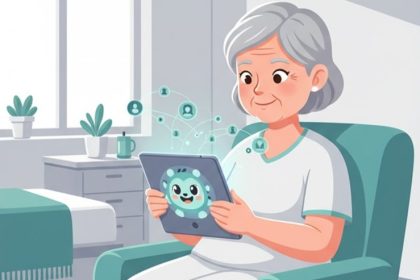
In today’s healthcare environment, patient isolation in hospitals poses significant challenges, often leading to adverse effects on mental health and recovery outcomes. When patients are cut off...

The current mental health crisis is alarming, with studies indicating a significant rise in mental health disorders, particularly among young adults and adolescents. Hospitals report increased visits ...
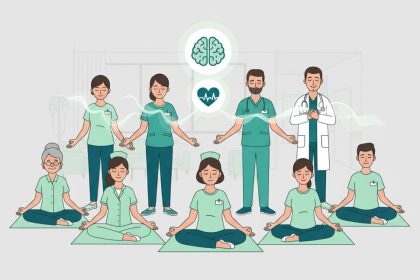
Mindfulness refers to the practice of focusing one’s attention on the present moment with an attitude of openness and acceptance. This approach emphasizes core principles such as awareness, non-judgme...
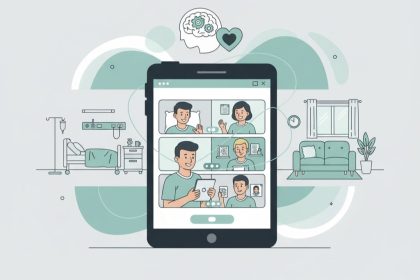
In recent years, the healthcare landscape has seen a remarkable rise in the use of virtual support groups, particularly for hospitalized patients. These groups leverage online platforms to connect ind...
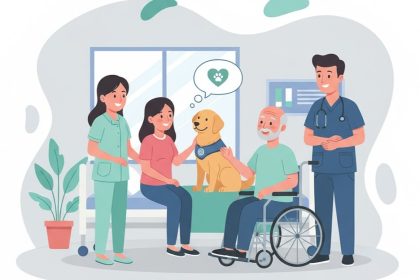
Pet therapy, also known as animal-assisted therapy, has emerged as a promising tool in healthcare settings, providing emotional and psychological support to patients. This innovative therapeutic appro...